



Victoria Falls Whitewater Rafting: What to Expect (First-Timers Guide)
Victoria Falls whitewater rafting is one of the biggest adrenaline activities in southern Africa. If you’re new to whitewater, it’s normal to feel excited and a bit tense. This guide walks you through what the day is like, how tough it feels, what to wear, and what happens if you end up in the water. That way, you can book with fewer surprises.
What Zambezi River rafting feels like (the honest snapshot)
Start with the vibe, because it shapes everything else.
Rafting in Victoria Falls happens in a deep gorge below the falls. The rapids are loud and splashy. Then the river calms down and you float for a while. You’ll see tall rock walls and wide open sky above you. You’ll also get very wet. Fast.
It’s a great fit if you like action and don’t mind rough water. On the other hand, if waves make you panic, a calmer activity might be a better pick.
Who can go (and who should skip it)
Before you book, it helps to do a quick reality check on age, comfort, and health.
Age ranges and common trip styles
Not every rafting trip in Victoria Falls feels the same. Some trips are set up for first-timers. They focus on easier sections and more coaching. Other trips spend more time on the river and may include bigger, rougher water.
Most operators set a minimum age. That minimum can change with the season, river flow, and the trip style. If you’re traveling with kids or a mixed group, check the minimum age and the difficulty rating before you book. That one step can prevent a lot of stress later.
If you’re comparing options, you can start with Victoria Falls whitewater rafting and then narrow it down based on what feels right for your group.
Health and comfort checks
You don’t need to be super fit. Still, you should feel okay being active outdoors for hours.
You’ll paddle in bursts. You’ll brace when waves hit. You might climb back into the raft.
Pause and ask questions before booking if you have:
- a recent back, shoulder, or knee injury
- strong fear of fast water
- motion sickness that hits hard
- a medical condition affected by heat, stress, or heavy effort
If anything feels uncertain, contact the operator and explain your situation. They can tell you if a gentler trip is available or if another activity fits better.
What your day usually looks like (step-by-step)
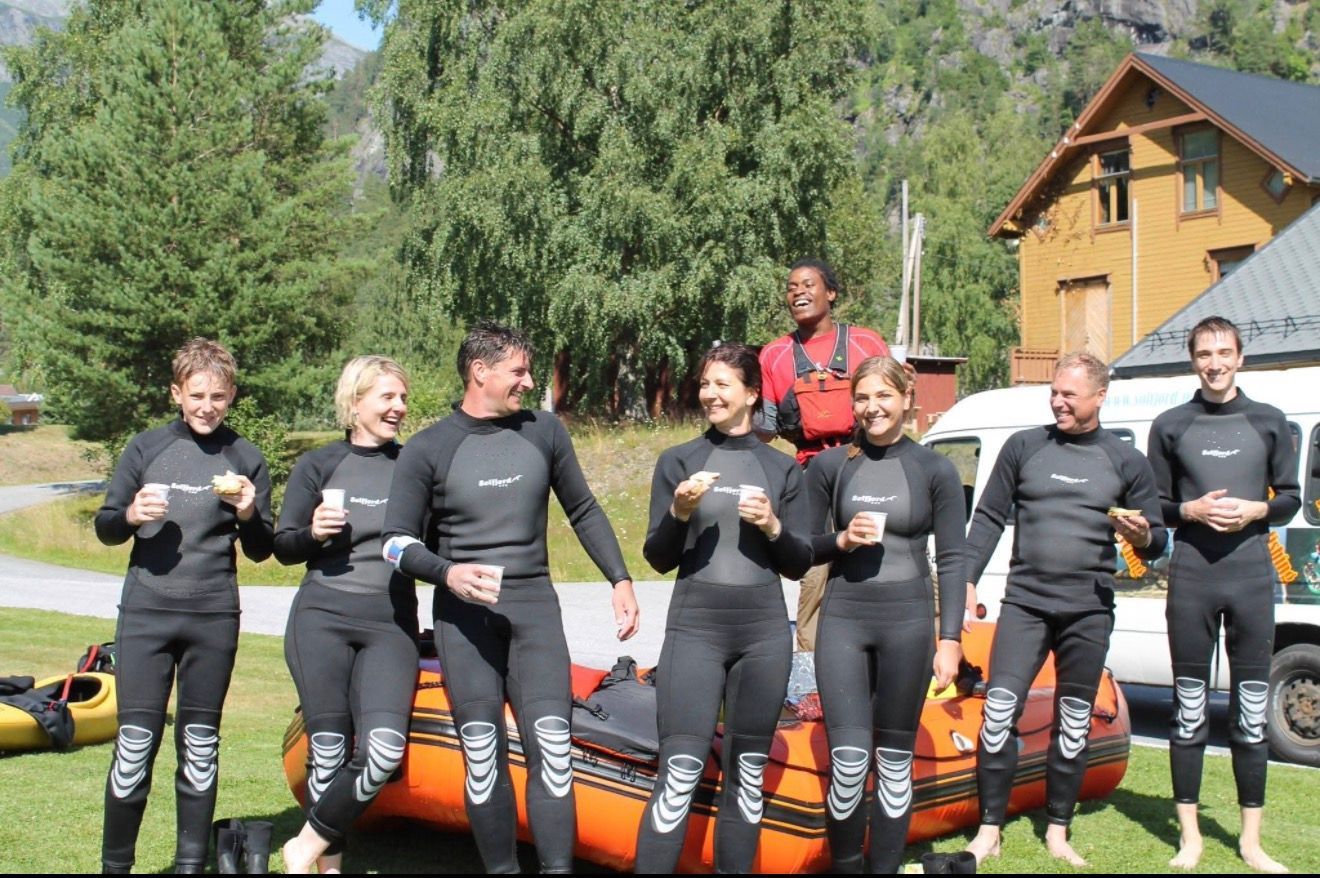
Now let’s turn the mystery into a simple timeline.
Safety talk and gear fitting
Most rafting days start with a briefing. Guides explain paddle commands and where to sit. They also show you what to do if you fall out. Then they fit your gear.
Speak up during this part. A loose helmet is a problem. A life jacket that rides up is annoying and unsafe. Ask for a better fit.
A few smart questions to ask early:
- “What should I do if I lose my paddle?”
- “If I fall out, should I float first or swim to the raft?”
- “Where do I keep small items, if anything is allowed?”
On the river: rapids, calm sections, and breaks
Once you’re on the water, it’s all about teamwork. The guide calls the moves. The group paddles together. Between rapids, you usually float and reset.
First-timers often get surprised by a few things:
- You get soaked right away. It’s not a “maybe.”
- The sun can feel strong. Water reflects light back at you.
- There can be waiting. Rafts often space out at rapids on busy days.
- Your grip works hard. Holding on takes energy.
- Your nerves rise, then drop. Calm stretches feel like a reset button.
Once you expect these moments, they feel normal. And the day gets more fun.
How hard is it, really?
People usually mean two things when they ask this. Effort and fear.
Effort comes in short bursts. You paddle, then you rest. You also brace your body in rough water. That part can sneak up on you.
Fear is usually strongest right before a big rapid. After that, you focus on the guide’s voice and the next command. That helps a lot.
Trip choice changes the experience. Some runs are meant to be more approachable. Others are longer or more demanding. If you want a smoother first day, choose a trip that’s labeled for beginners or families. If you want a bigger challenge, choose a trip that clearly describes stronger rapids and a higher difficulty.
Safety basics without the scare talk
Safety is part of the fun. When it’s clear, people relax.
What the guides do to lower risk
Guides keep things simple. They use clear commands. They position the raft well. They run practiced rescue routines.
Sometimes, there are safety paddlers or kayakers in the area as extra support. Even without that, trained guides can handle most situations quickly because they plan for them ahead of time.
Most of the time, the guide’s biggest job is keeping the raft organized. When everyone follows directions, the ride gets smoother.
What you can do to stay steady and calm
Small habits go a long way:
- act fast when you hear a command
- keep your feet where the guide wants them
- hold on when told, especially in rough water
- breathe out slowly when nerves spike
If you feel anxious, say so early. Guides can coach you better when they know what you’re feeling.
What to wear and what to bring
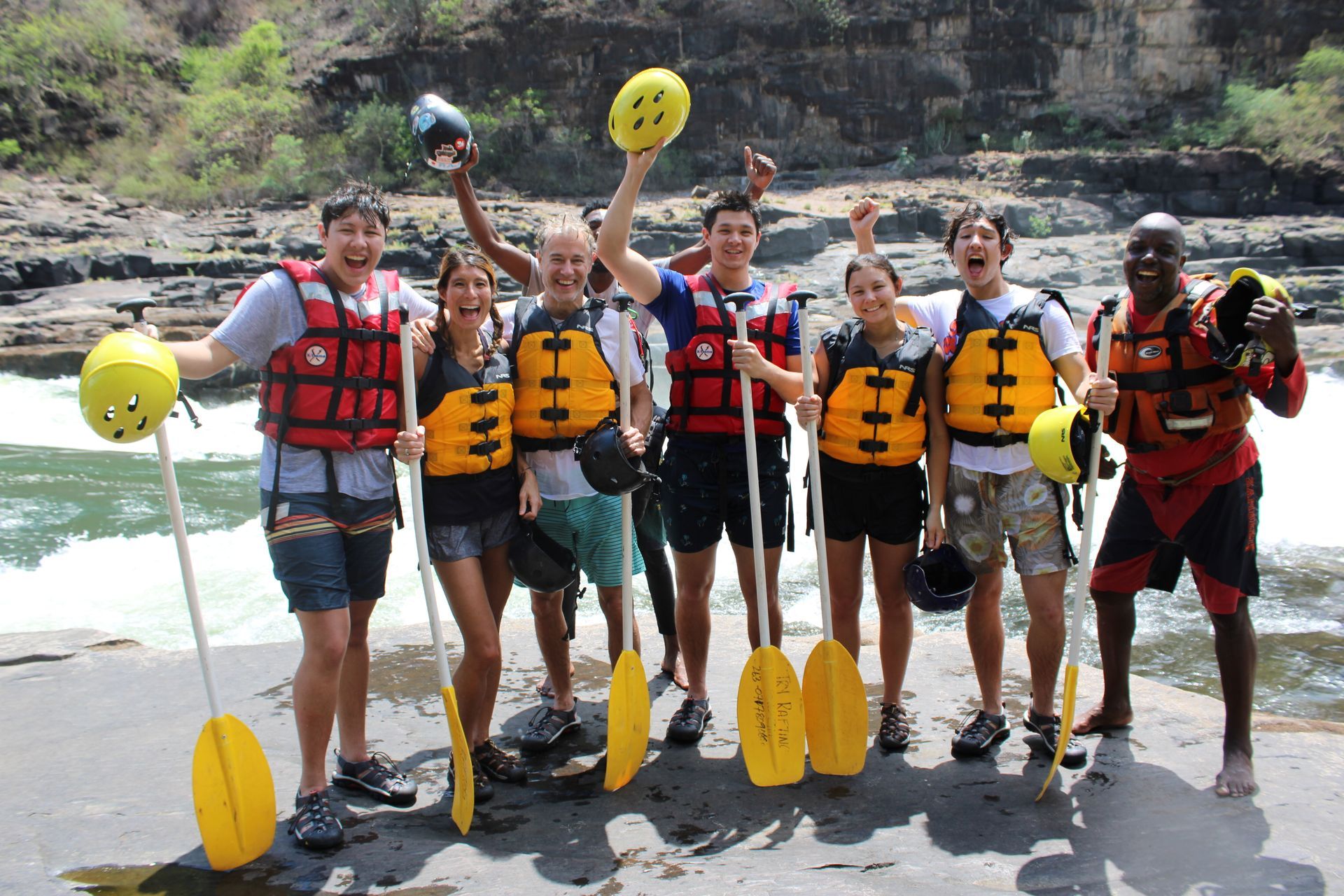
Comfort starts with the basics. Clothes, shoes, and sun protection.
Wear quick-dry clothing. Skip heavy cotton if you can. For footwear, choose something that stays on. Straps matter.
Here’s a simple bring/skip list:
- Bring: secure water shoes or strapped sandals
- Bring: sunscreen and a way to reapply
- Bring: a strap for glasses or sunglasses
- Bring: a towel and dry clothes for after
- Bring: needed personal meds (and tell your guide if relevant)
- Skip: loose flip-flops
- Skip: jewelry you’d hate to lose
- Skip: anything you cannot get wet
Pack like you expect to get soaked. Because you will.
If you fall in the water: what actually happens
This is the big worry for most first-timers. So let’s make it plain.
Falling in can happen on whitewater. It does not mean something went wrong. It means you follow the routine you learned in the briefing.
Most people are surprised by how fast help shows up. Also, once you know what to do with your body, you feel more in control.
Floating position and getting back in
If you fall out, you usually float on your back with your feet up. That helps you avoid bumps to your legs. Then you look for your guide’s directions.
If you still have your paddle, keep it unless you’re told to let it go. If you lose it, do not chase it through waves. Focus on floating well and listening.
Photos, videos, and keeping your stuff dry
Big water and loose gear do not mix. That’s the main rule.
If you bring a phone, assume it can get wet. Many people leave phones behind and rely on trip photos instead.
If you do carry anything, keep it minimal and protected:
- use a waterproof case you trust
- attach it with a strong strap
- avoid pulling it out near rapids
You’ll still get great memories. You just won’t spend the day worrying about your pockets.
Quick answers to common first-timer questions
Here are the questions people search right before booking Zambezi river rafting.
Do I need to be a strong swimmer?
You don’t need to swim long distances. Still, you should be okay being in water and following instructions.
Will I be cold?
Sometimes, yes. You’ll be wet for hours. Quick-dry layers help, and dry clothes after matter a lot.
How long is the trip?
Most rafting outings take a big chunk of the day once you include transport, briefing, time on the river, and the return. Ask your operator for the expected start and finish times.
Can families do it?
Often, yes. Many operators offer options designed for families or first-timers. Minimum ages and river difficulty can change with conditions, so confirm before you book.
What should I eat before we go?
Eat something steady and light. Avoid heavy, greasy food right before the river.
What time do we get back?
It depends on the trip and the day’s pace. If you have a strict plan later, build in extra time.
How to pick the right trip for you
Now let’s turn all of this into a simple choice.
If you want the easiest intro
Look for a trip that’s described as beginner-friendly, family-friendly, or focused on easier water. If the description mentions smaller rapids or calmer sections, that’s usually a better starting point. Also check the minimum age if you’re traveling with kids.
A smoother first run helps you learn the basics without feeling overwhelmed. Then you can always step up later.
If you want the biggest thrill
If you want more intensity, look for trips that spend more time on the river, include stronger rapids, or run over multiple days. Those trips can feel like a full expedition, especially if camping is involved. Water level changes the feel of the day a lot, so check the
best time to raft Victoria Falls before you lock in your dates.
Be honest about your group’s comfort level. One person being terrified can bring down the whole raft’s mood.
Conclusion
Zambezi River rafting is fast, wet, loud, and unforgettable. A good first trip comes down to choosing the right difficulty and showing up prepared. Expect a safety talk, teamwork paddling, big splashes, and calm breaks in between. If you’re still deciding, compare a few trip options based on difficulty, minimum age, and how long you’ll be on the water, then pick the one that fits your group best.