



Best Time to Go Whitewater Rafting in Victoria Falls (Season-by-Season)
The best time to go whitewater rafting in Victoria Falls depends on what you want from the day. Some months bring bigger, faster water. Other months feel steadier and can be easier for first-timers.
This guide breaks down how the seasons usually feel, how to pick a month quickly, and what to pack so you stay comfortable.
The fast answer: pick your best first
Start by choosing what matters most to you, then match it to the calendar.
If your goal is the biggest, most powerful ride, you’ll look toward months with stronger river flow. If you want a smoother first run, you’ll usually feel better in a lower or in-between flow period. Heat matters too. So do crowds. Once you decide your top priority, the best time to raft Victoria Falls becomes much easier to choose.
What changes through the year (and why it matters)
A few simple factors explain why the same river can feel very different from month to month.
Water level basics in plain language
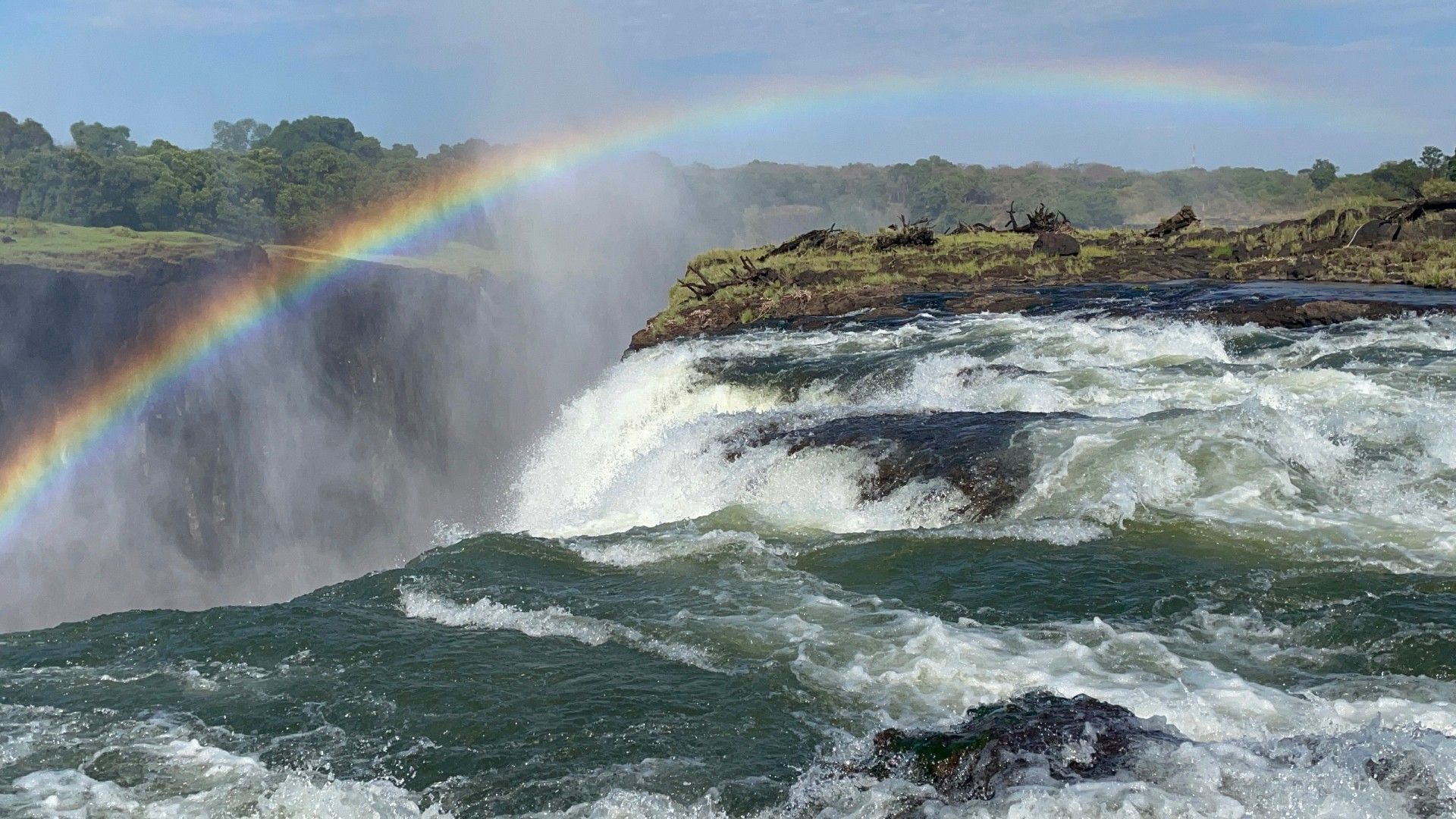
River flow shapes everything. Higher flow often means faster water and bigger features. It can also mean more push behind each wave. Lower flow often means the river shows more structure. Lines through rapids can feel more technical. You may bump more and work harder to stay on the best path.
That’s why the white water rafting season Zimbabwe travelers talk about can feel different depending on what they want.
Why two days in the same month can feel different
Even in the same month, conditions shift. A storm upstream can raise flow. A hot stretch can change how the day feels. Wind can make cool spray feel colder. Busy weeks can add a little waiting at rapids.
Guides also adjust choices based on the group and the river. So the month gives you the general vibe. The exact day fills in the rest.
Season-by-season guide for Victoria Falls rafting
Now let’s tie the river’s feel to real months, so planning is simpler.
Higher-flow period (roughly January to July)
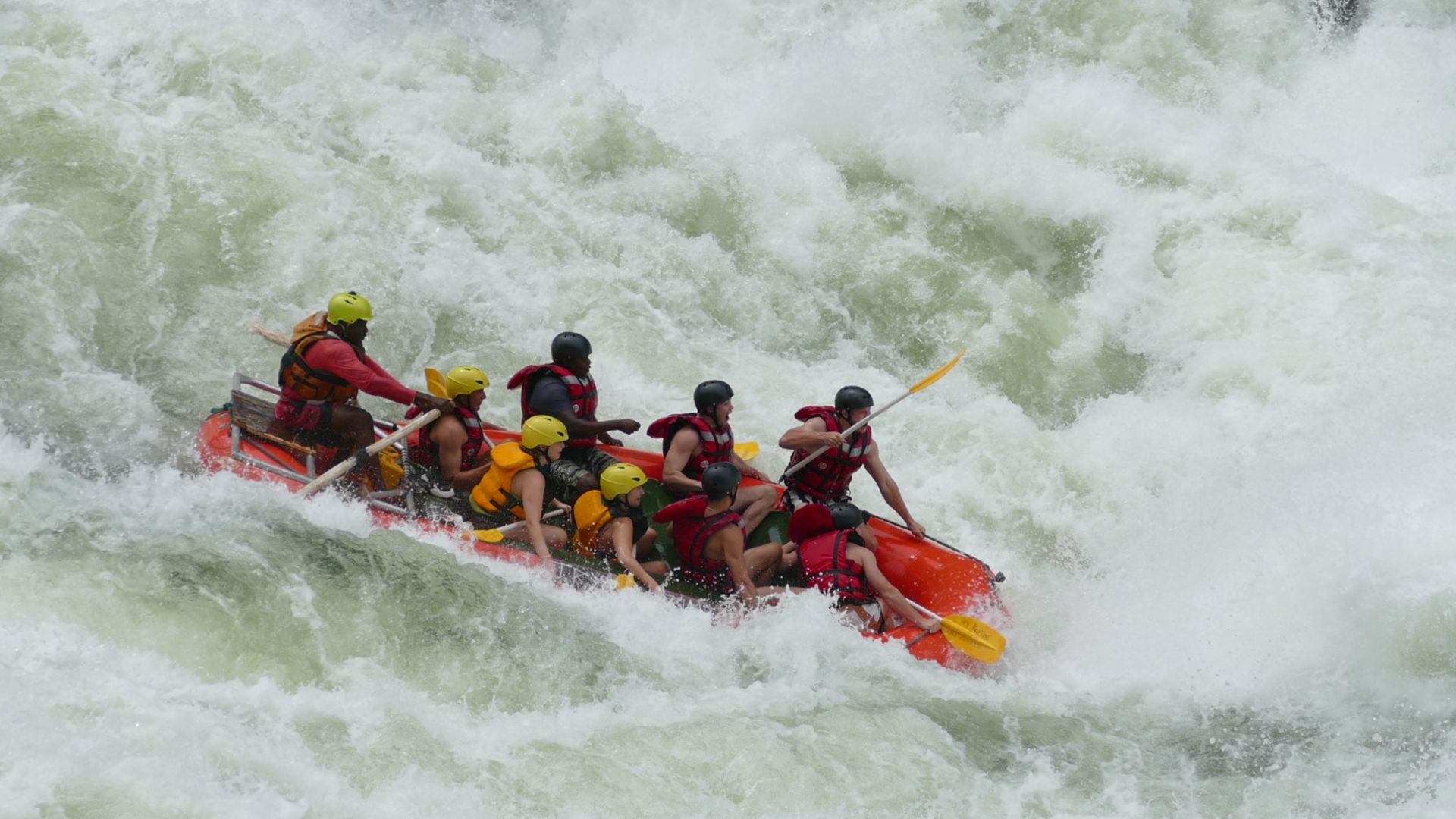
From January through July, the Zambezi is generally on the higher side compared to late dry-season months. January and February can bring pushier water. March through May can be peak flow. During this time, some operators may pause rafting on certain days if conditions are too high.
When rafting does run in higher flow, the day often feels faster and more powerful. Waves can hit harder. The raft may feel heavier in the water. Team timing matters more too.
This window often fits confident swimmers and people who want a strong, big-river feel. If you’re new and nervous, you may enjoy rafting more during the lower-flow months.
Shoulder seasons (often late July, and sometimes early January)
Some travelers hit a more in-between feel around late July, when the river starts easing toward low-water conditions. Another softer transition can happen in early January, before the river builds into its higher-flow pattern.
These dates can be a good match for mixed groups because you may get plenty of action without the heaviest flow. Still, conditions can change week to week. So treat the Zambezi rafting season as a window, not one perfect month.
Lower-flow period (roughly August to December)
From August through December, the river is often lower, and this stretch is widely seen as the most reliable window for rafting.
Lower flow usually means the ride can feel more technical. Guides may pick tighter lines. You may feel more bumps through rockier features. At the same time, many first-timers like this period because it often has less big water power.
Heat is the big tradeoff. September to November can feel especially hot out there. If you raft during these months, sun protection and hydration matter a lot.
If you want to compare trip styles once you’ve picked your month range, start here: Victoria Falls rafting.
Month-by-month cheat sheet (quick picks)
Use this quick list when you want a clear month range without overthinking it.
- August–December: often the main low-water window; more technical lines, and often hotter days
- January–February: often higher flow compared to late dry-season months; the river can feel pushier
- March–May: often peak flow months; rafting may pause on some days if levels spike
- June–July: still often higher flow, trending down as the dry season settles in
If you only have one weekend, choose based on what matters most:
- Big power feel: aim for Jan–Feb or Jun–Jul if trips are running
- More consistent planning: aim for Aug–Dec
- Avoid peak-flow uncertainty: avoid Mar–May unless you’re flexible
- Heat-sensitive travelers: try to skip the hottest stretch, often Sep–Nov
That’s the simplest way to narrow your dates and match them to your comfort level.
Best season for different types of travelers
Think about your group first, then pick the month range that fits your pace.
First-timers who want a smoother day
Many first-timers prefer August through December, when the river is often lower and less pushy. You can still get exciting rapids, but the big water power is often reduced compared to peak flow.
When you compare options, focus on how the trip is described. Look for phrases like beginner-friendly or family-friendly. If the write-up leans hard on intense rapids and strong difficulty, that might be better saved for a second trip.
If you’re planning your first time,
full-day rafting on the Zambezi is a great baseline trip to compare against the more advanced options.
People chasing the biggest thrills
If you want the biggest, most forceful rafting feel, higher-flow months can match that goal. In general, that’s January through July, with March through May often being the most unpredictable.
Prep helps here. Hydrate well. Eat a light, steady meal before you go. Sleep the night before matters. And still bring sun protection, even if the sky looks cloudy.
Families and mixed comfort groups
Balance usually wins. Many mixed groups do well during August through October, when the river is often lower and travel planning can be easier. Still, every group is different, and conditions change, so confirm the minimum age and the expected difficulty for your date.
Also plan for comfort. Heat and long outdoor days can hit kids and older adults harder. Build in a slower morning or a quieter afternoon after rafting. It makes the day smoother.
Weather, crowds, and price: real-world tradeoffs
Your rafting date affects more than the river, so it helps to think about the full trip.
Hotter months can feel intense, even with water splashing you all day. Cooler periods can feel great for walking around town, but spray on the river may feel chilly at times. Rain can change conditions quickly, even if a trip still runs.
Crowds matter too. Holiday weeks often mean more demand and fewer open spots. That can affect pricing and flexibility. So when someone asks for the Victoria Falls rafting best month, the answer is often about comfort and crowds as much as it is about rapids.
What to pack changes by season
A few small packing changes can make a big difference, depending on the month you choose.
If you want a simple checklist that covers shoes, sun gear, and dry-bag tips, here’s
what to pack for white water rafting on the Zambezi.
In hotter weather, focus on sun and heat. Use sunscreen you can reapply. Wear quick-dry clothing. Bring water and a small snack if allowed. A hat can help, but only if it will stay on.
In cooler periods, plan for spray and wind. A quick-dry top that covers more skin can feel better. Bring warm, dry clothes for afterward. A towel and a change of shoes can make the ride back much nicer.
No matter the month, secure footwear matters. So does a strap for glasses. Leave anything behind that you would hate to lose.
Common questions about rafting season in Zimbabwe
These quick answers cover what most people ask right before they book.
Can I raft year-round?
Many operators run a large part of the year, but options can change with water level. Always check what’s operating during your dates.
Will rain cancel rafting?
Light rain often doesn’t stop a trip. Bigger systems can change river conditions or safety calls. Operators decide based on the river, not just the forecast.
Is high water more dangerous?
Higher flow can add power and speed. That can raise the level of challenge. Good operators adjust plans and rules when conditions change.
What if I’m not a strong swimmer?
You don’t need to swim long distances, but you should feel okay being in water and following instructions. If water fear is a big issue, choose an easier option or pick a lower-flow month.
How far ahead should I book?
Busy travel periods fill up faster. If your dates are fixed, book earlier. If your dates are flexible, you’ll often have more choices.
What’s the white water rafting season Zimbabwe visitors should aim for?
Think in terms of your goal: big power, balanced water, or a more technical low-water feel. Then pick the month range that matches that goal.
Conclusion
The best time to raft Victoria Falls depends on your goal and your comfort level in fast water. January to July often brings higher flow and a more powerful feel, with March to May sometimes being the most unpredictable. August to December is often lower flow, more technical, and easier to plan around, but the heat can be stronger, especially September to November.
Pick your priority first, confirm expected conditions close to your trip, and pack for the weather. That’s usually enough to set yourself up for a great day on the Zambezi.