



What to Pack for Zambezi Rafting (The Only Checklist You Need)
You’re about to get soaked, sit in full sun for hours, and hike into and out of a gorge. That’s why what to pack for white water rafting isn’t about bringing more stuff. It’s about bringing the right stuff, keeping it dry, and wearing gear that won’t fall off halfway through a rapid.
This guide is built for Zambezi rafting in Victoria Falls. Use it as your Zambezi rafting packing list, with quick picks for hot months, cooler spray days, and first-timers who want a smooth, low-stress setup.
If you’re new to rafting here, read
what to expect on your first Zambezi rafting day so you know how the timeline, rapids, and gear fitting usually go.
The quick checklist (pack this first)
If you only read one section, read this. These are the “don’t-show-up-without-it” items, plus a few small add-ons that save your day.
- Dry bag (10–20L) or a waterproof backpack liner
- Water shoes with a heel strap (or old running shoes you don’t mind soaking)
- Quick-dry top + bottoms (skip cotton)
- Sun block + SPF lip balm
- Refillable water bottle
- Sunglasses + retainer strap
- Blister care (tape or blister pads)
- Full change of clothes for after (including underwear)
- Copy of ID + some cash sealed in a dry pouch
That’s the core set of rafting gear you’ll actually use. Keep valuables simple, pack light, and plan like everything will get wet, because it will.
What to wear on the raft
Clothing choices matter most on the Zambezi because you combine heat, glare, splash, and a steep walk in and out. Use these setups as your baseline for what to wear rafting Victoria Falls.
Warm-weather setup (common in Victoria Falls)
Go with lightweight coverage that dries fast and blocks sun.
- Top: rash guard or quick-dry shirt (long-sleeve helps with sun)
- Bottoms: swim shorts, board shorts, or quick-dry leggings
- Under layer: swimsuit or sports-bra style top that stays put
- Head: cap that fits under a helmet (only if it won’t fly off)
If you’re going with kids or a mixed comfort group, the same clothing setup works well for
family-friendly rafting on the Zambezi because the day is still sunny, wet, and active even when the rapids are milder.
Loose cotton tees get heavy, chafe, and stay wet. Pick fabrics that dry fast and won’t feel rough after a few hours of spray.
Cooler-water or windy-day setup
Some days feel cooler than you expect, especially with wind and constant splash.
- Top: long-sleeve quick-dry shirt
- Outer layer: light splash jacket if you run cold
- After-raft warmth: thin fleece or warm top kept dry in your bag
You don’t need thick layers on the raft most of the time. You need something that cuts wind, then a warm layer ready for when you’re done.
Footwear that won’t ruin your day
Your feet do double duty on a Zambezi raft day: they handle the raft and the rocky, slippery walk. That walk down into the gorge is steep enough that people regularly warn against flip-flops and weak shoes.
Best options:
- Closed-toe water shoes with a heel strap
- Rafting sandals with strong straps (not loose beach sandals)
- Old running shoes with good grip that you don’t mind soaking
Skip:
- Flip-flops
- Slides
- Barefoot
If you’re torn between sandals and old sneakers, choose based on grip. Sneakers often win for the hike. Sandals can be great if they fit tight and don’t twist when wet.
Sun and heat gear you’ll be glad you brought
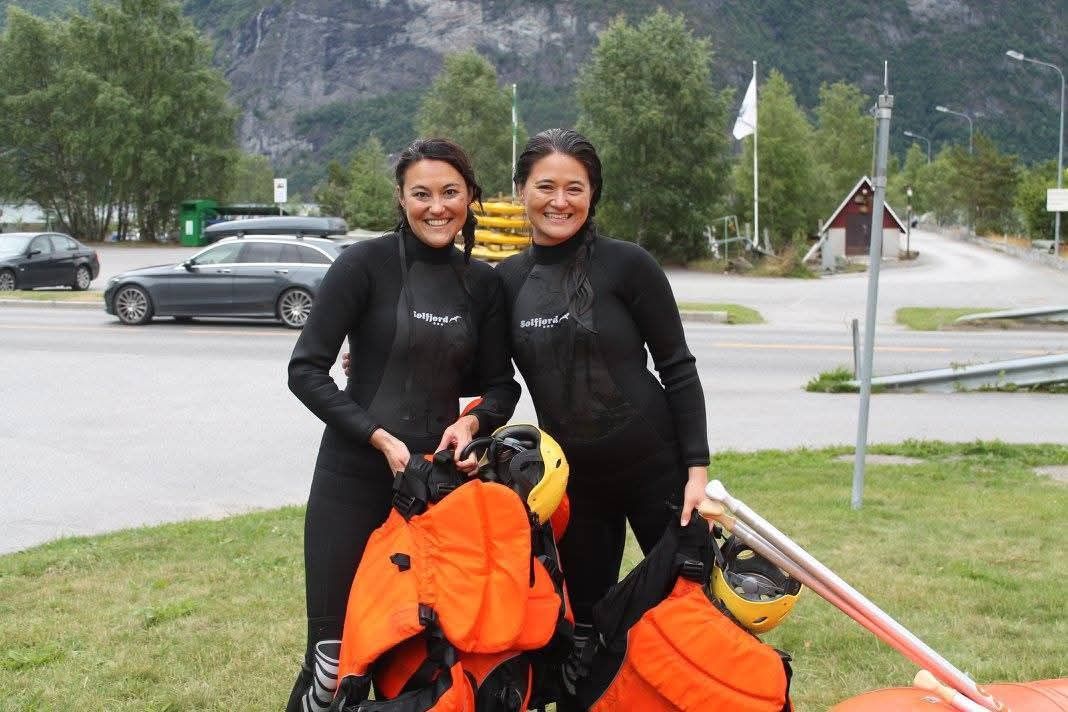
The Zambezi sun can feel harsh fast, and rafting makes it hard to keep sun block on all day. A little prep keeps you from ending the day cooked and dehydrated.
Sun protection that holds up on the Zambezi
Bring sun gear that works even when you’re wet.
- Water-resistant sun block (and a way to reapply)
- Zinc stick for nose and cheekbones
- SPF lip balm
- Long-sleeve quick-dry top if you burn easily
- Hat with a strap if it stays on under a helmet
- Water bottle you’ll actually drink from
If you only upgrade one thing, upgrade your sun plan. You can tough out wet shoes. A bad burn plus heat can wreck the whole trip.
Keep-it-dry plan (phones, passports, and extras)
Most packing mistakes come from one problem: wet stuff. A simple dry system keeps your ride home comfortable and your valuables safe.
Here’s an easy setup:
- One dry bag for your “must stay dry” items
- One small zip pouch inside it for ID, cash, card
- Phone plan: either leave it behind, or use a sealed waterproof pouch you trust
This matters even more if you’re out for more than a single day, like a
2.5-day Zambezi rafting adventure where dry clothes and a reliable “keep it dry” system make the whole trip feel easier.
If you bring a phone, assume it will get splashed, dropped, or soaked. Many rafters decide it’s not worth the stress and leave it behind.
Small items that fix big problems
You don’t need a huge kit, but a few tiny items can solve the most common raft-day annoyances: blisters, chafing, headaches, and that gross “wet grit” feeling.
Blisters, scrapes, and headaches
- Blister pads or athletic tape (for heels and toes)
- A couple bandages
- Any personal meds you may need
The goal isn’t to pack a pharmacy. It’s to handle the predictable stuff so you’re not limping through the last hour.
Comfort items for the ride back
- Wet wipes
- Small snack (if allowed)
- Microfiber towel or small towel
- Plastic bag for wet clothes
These don’t take much space, and they make the end of the day feel cleaner and easier.
If you wear glasses or contacts
Eyewear can be a headache on white water, but you can solve most of it with one simple rule: attach it or lose it.
Do this:
- Use a retainer strap for glasses and sunglasses
- Consider daily contacts plus a backup pair if that works for you
- Pack a small lens case and solution if you need it
Many outfitters and rafting guides also recommend straps as a standard “bring” item for the Zambezi.
What to pack for after rafting (don’t skip this)
The best feeling after a raft day is going from wet and sandy to clean and dry in five minutes. Plan for it.
Pack these in your dry bag:
- Dry underwear
- Dry shirt and shorts/pants
- Warm layer (even if the morning started hot)
- Easy shoes for afterward
A full reset makes the ride back much nicer.
Zambezi rafting packing list by season (fast picks)
The checklist stays mostly the same year-round, but a few swaps match the weather and water feel.
Hot months:
- Add extra sun block and more water
- Choose more coverage if you burn fast
Cooler spray or windy days:
- Add a light splash layer
- Pack a warmer top for after the river
Mixed days:
- Pack for heat on land and cool spray on the water
- A long-sleeve quick-dry top works in both directions
If you’re unsure, go with quick-dry coverage plus a warm layer kept dry for later. That combo handles most conditions well.
Group and family add-ons
Groups run smoother when you plan for the slowest mover and the most sun-sensitive person. You don’t need a lot of extra items, just a few smart ones.
Kids and mixed-comfort groups
Bring:
- Extra sun gear (kids burn fast)
- Extra water
- A snack plan for after
- A warmer layer than you think for anyone who runs cold
The goal is comfort and pace. When everyone stays fed, shaded, and hydrated, the day stays fun.
What operators often provide (so you don’t overpack)
Many rafting trips supply the big safety gear, so your job is personal comfort and small add-ons. Typical outfitters provide items like helmets and life jackets, and some provide wetsuits in cooler conditions.
Before you go, check what your operator includes and what you need to bring. Either way, these usually stay on you:
- Secure footwear
- Quick-dry clothes
- Sun protection
- Glasses strap
- Dry clothes for after
Pack for your body and your comfort. Let the operator handle the technical gear.
Common packing mistakes (and easy fixes)
A few repeat mistakes show up on almost every raft day. Fix them before you leave, and you’ll feel more relaxed the whole time.
- Cotton clothes → switch to quick-dry
- Loose shoes → use strapped water shoes or old sneakers
- No glasses strap → add one, even if you “never lose glasses”
- No dry underwear → pack a full change, not just a shirt
- Too many valuables → bring less, worry less
A lighter bag and a better plan beat extra gear every time.
Conclusion
A good Zambezi raft day starts with simple packing: quick-dry clothes, secure shoes, strong sun protection, and a dry change ready for afterward. Use the quick checklist, pick the right wear setup for the weather, and keep your valuables on a tight “stay dry” plan. Once you’ve got that sorted, you can stop thinking about your bag and focus on the rapids.